

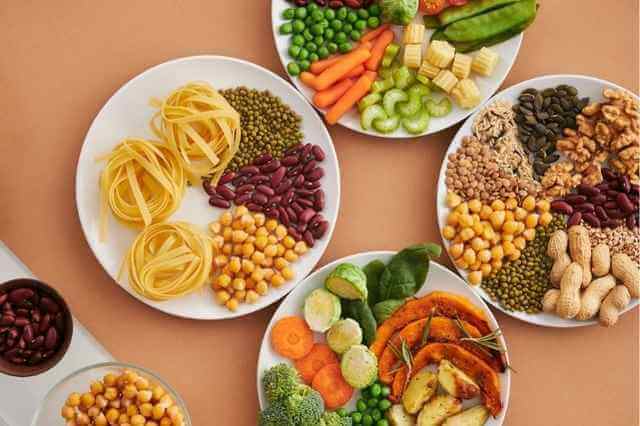
Protein deficiency is a lot more common than folks think, and its first few signs might not be noticeable until it’s already too late and guess what your health is now slowly spiraling down the drain.
Protein is an essential part of maintaining our bodies strong, stable, and running smooth. It aids in muscle health and repair, and strengthens the immune system as well assisting bone health and promoting healthy skin, hair, and nails. Yet, still people do not consume enough protein on a daily basis and consequently develop mild to severe deficiency that affects quality of life.
Part of what makes protein deficiency a bit tricky is that its symptoms may start out rather subtle. People usually discredit them due to stress, ageing, or a hectic lifestyle. But these neglected signs may turn into something more serious after a while.
Constant fatigue and low energy
Constant tiredness is one of the most prevalent symptoms of lack of protein. Protein also helps protect muscle, and supports metabolism. With low intake the body tries to maintain energy levels so that you feel tired all the time, even after a good nights sleep.
A lot of people believe this fatigue is caused by long working hours or lack of sleep, but it could be a shortage of protein at fault.
Muscle weakness and loss
Their protein is important for building and repairing muscles. The body starts breaking down muscle tissue when it doesn’t get enough. This can lead to muscular weakness, impaired strength and even visible muscle atrophy in extreme cases.
This is especially troubling for older adults as it can raise risk of falls and inhibit mobility in the long run.
Hair thinning and brittle nails
The fundamental element of hair and nails is keratin, which is a protein. Deficiency may result in hair thinning, more hair fall, or brittle nails and cracked nails. This process may be subtle and develop slowly enough to miss.
People might experiment with external treatments, like oils or supplements, but those complaints will continue as long as they’re not getting enough dietary protein.”
Frequent infections and slow healing
Protein is crucial for maintaining good immune function. Not eating enough protein can reduce the body’s natural defence against infection, so increasing your chances of getting a cold or flu.
Wounds and cuts may need more time to heal, since protein is needed for tissue growth and development of new cells.
Swelling in the body
In severe cases, not having enough protein can also result in fluid retention and swelling elsewhere on the body, such as the feet, ankles or face. This is because proteins contribute to keeping the fluid balance inside your blood vessels.
It’s not as prevalent at the milder ends of the scale, but studies have found that if you’re experiencing this symptom, you should speak with your doctor.
Mood changes and concentration issues
Protein helps produce hormones that balance mood and help with focus while your child is in school. A lack can lead to irritability, mood swings, anxiety and difficulty concentrating.
These cognitive and emotional alterations are often misdiagnosed as psychological stress-related issues, with the appropriate dietary correction significantly delayed.
Increased hunger and cravings
Low protein can also result in raising the hunger, particularly of carbs or sweet treats. Protein regulates appetite by creating a sensation of satiety. Without it, people can overeat yet remain unsatisfied.
That pattern can lead to unhealthy weight gain or fluctuating blood sugar over time.
Why protein deficiency matters
Dismissing protein deficiency isn’t only sufficient to not look good or lack energy. In the long run, it can undermine immunity, muscle mass and recovery from illness and lead to a lower quality of life.
For vegetarians or those on a strict diet, getting enough daily protein often takes planning. Regular inclusion of protein foods in every meal ensures adequacy, and lack of deficiency-related complications.
Simple awareness makes a difference
The first step to treat protein deficiency is recognising the early symptoms. With improved attention to daily weakness and physique and with regard to workout those individuals could have re-evaluated their diet before the issue become very big can’t be reversed.
Good nutrition continues to be one of the most important reasons for long-term good health.