

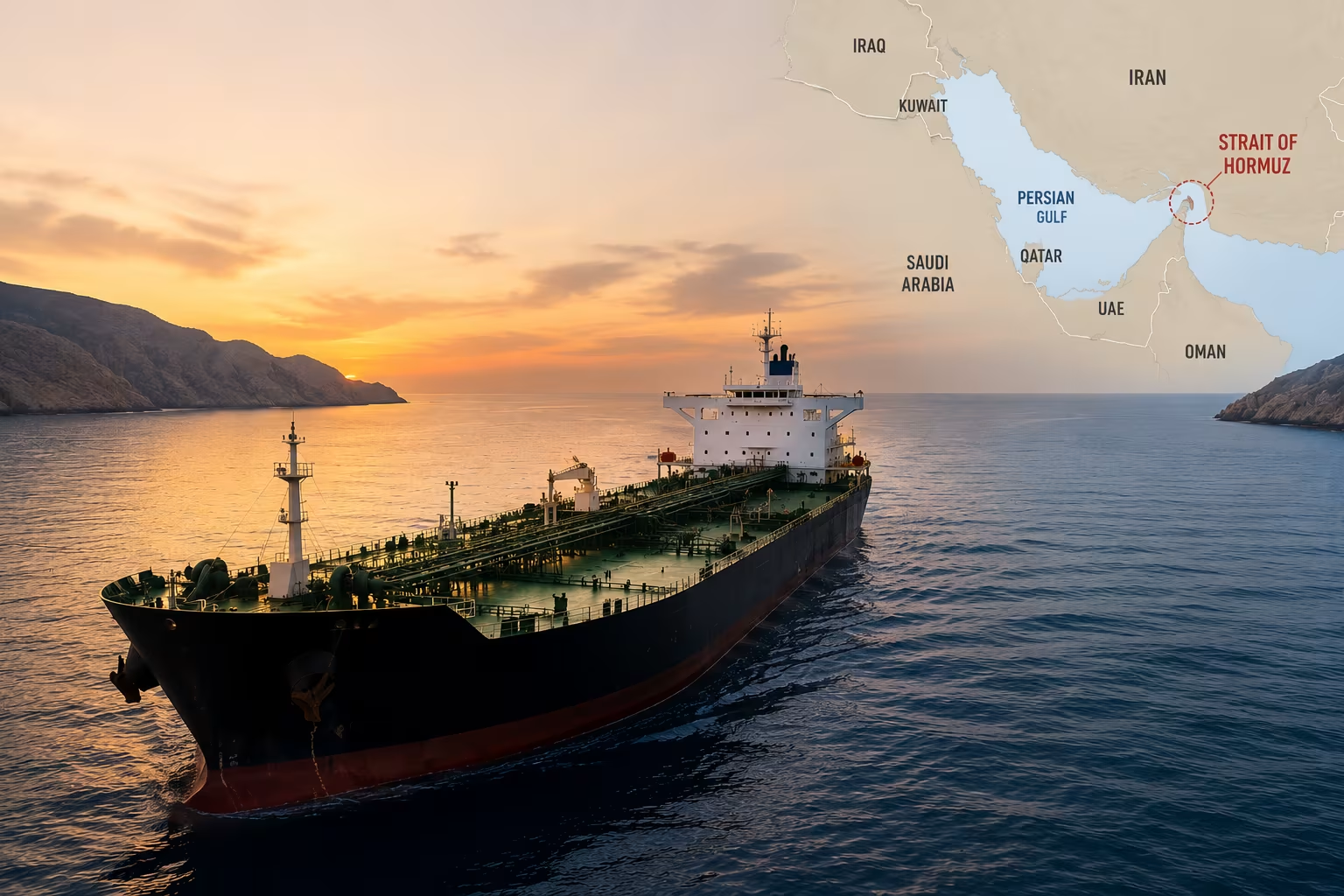
Oil prices around the globe soared yesterday, following the decision by the Iranian government to close the Straits of Hormuz for all ships. The move has triggered concern once again regarding the safety of oil supplies globally and threats to international maritime transport. This comes at a time when tensions between Iran and America are at an all-time high due to fresh attacks on Iran’s facilities.
Brent crude saw a rise of over 2 per cent in early trading sessions as investors feared that an important oil route was now under threat of disruptions and further volatility in the already volatile global oil markets. Reports have warned that further developments could result in increased tensions in the region causing pressure on the global oil market.
The Straits of Hormuz, which sits between Iran and Oman, is one of the most strategic choke points in the world. Almost one-fifth of the global oil production passes through the narrow waterways connecting Gulf countries such as Saudi Arabia, Iraq, Kuwait, Qatar, and UAE to their buyers globally. Disruption to the movement of goods via the Straits has serious implications for global oil supplies and transportation costs.
The move came at a time when tensions between the two nations had risen dramatically due to new US strikes against Iran. It appears that Iran’s armed forces have been issuing threats to attack vessels passing through the straits. This development has only made matters worse for international shipping companies and oil merchants.
News of the closure quickly spread through stock markets around the globe, prompting an adjustment in stock values to reflect rising concerns about the possibility of shortages. Both the Brent and WTI oil indices were up, reflecting the expected effects on inventories and exports from the Gulf region.
Although there have been reports of shipping activity taking place in portions of the strait, uncertainties remain regarding future passage.
There are special considerations related to India in this case. As noted above, India is heavily dependent on imports for its energy needs, with much of the oil coming from the Gulf. Higher oil prices can have adverse consequences on the price of imported crude oil, leading to increased transportation and manufacturing costs.
Also Read: Rs 2.5 Lakh Japan School Tour Sparks Debate Over Education Costs
Even with this negative market response, there are some who argue that any effect on prices might be short-lived, depending on whether diplomacy can ease tensions or if normal shipping practices are restored. Nevertheless, with the uncertainty surrounding geopolitics, it is expected that fuel markets will keep an eye on events unfolding in the region over the next few days.