

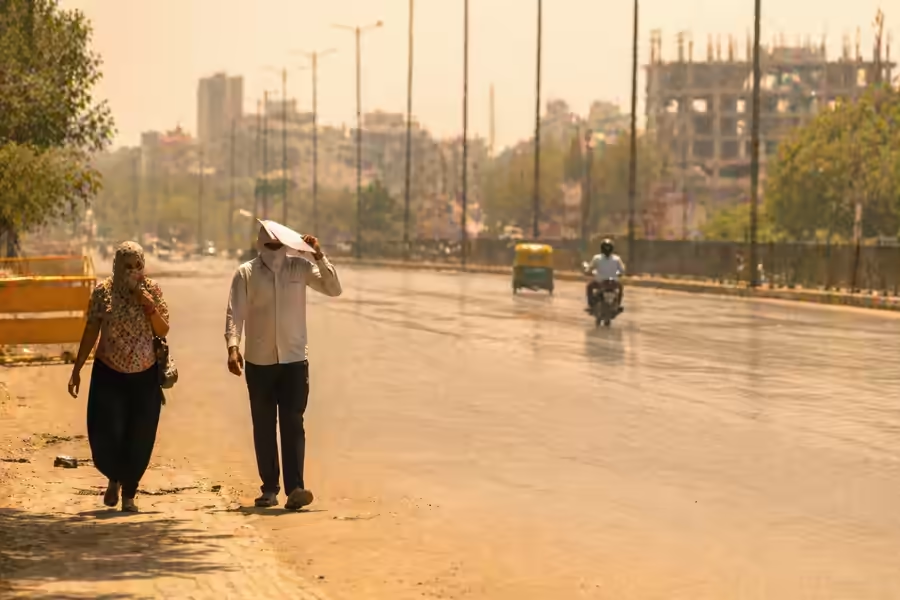
The country is also experiencing a severe heatwave in India, and India is topping the world temperature list. The latest data published on April 21, indicates that up to 19 of the 20 hottest cities in the world are in India, which also reflects the severity of the current heat conditions.
The weather officials have cautioned that they are not out of the situation. The heatwave is projected to be experienced between April 22 and April 24, and temperatures are likely to get to even 43°C or even more in some parts.
Crossed Multiple Cities 43–44°C
Bihar, Odisha, West Bengal, and Uttar Pradesh occupy most of the list of the hottest cities in the world. Many of these places have reached temperatures over 43°C with some even going up to 44°C.
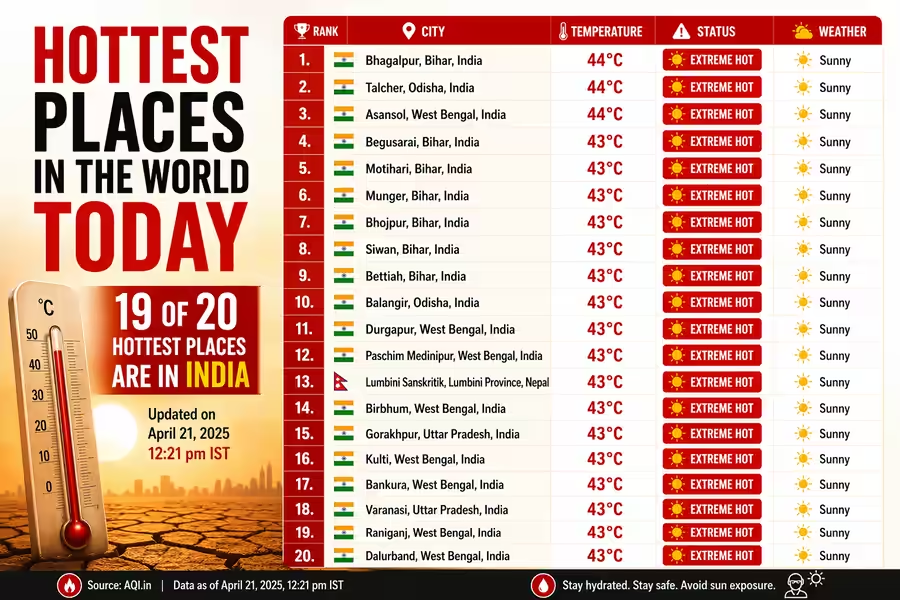
Some of the hottest places on record:
- Bhagalpur (Bihar) – 44°C
- Talcher (Odisha) – 44°C
- Asansol (West Bengal) – 44°C
Temperatures around 43°C were recorded in several other cities such as Begusarai, Motihari, Munger, Bhojpur and Siwan. The sole non-Indian city in the top 20 were Lumbini in Nepal.
Why Is the Heat Rising so Fast?
According to meteorologists, this is not a one-off heatwave but a larger weather pattern that covers much of the country.
The extreme heat is a consequence of a number of factors:
- Strong sun radiation in north and central India as a result of clear skies.
- Dry northwesterly winds with lack of moisture and cloud formation.
- What happens is a smaller winter snow cover in the Himalayas resulting in a reduction in heat reflection.
- Altering ocean patterns, such as changing conditions in the Pacific.
These factors are cumulatively causing an increase in heat on the land at a rapid rate particularly in the month of April already a pre-monsoon heat wave.
Lack of even distribution of weather patterns in India
Whereas scorching temperatures are being experienced in northern, central, and eastern India, other parts of southern and northeastern India are doing so.
These areas are experiencing influx of moisture and there are occasional thunderstorms which are forming a clear difference in weather conditions in the country.
What a Heatwave is?
A heatwave is declared in India when the maximum temperature exceeds 40°C in plains. As numerous cities are now way past this mark, even modern conditions are categorically in the severe heatwave category in much of the area.
One of the Indications of Shifting Climate Patterns
Experts believe that such clustering of extreme temperatures is a warning sign of increasing climate variability. The fact that the largest number of hottest cities of the world are concentrated today in a single country indicates an increasing severity and frequency of heatwaves.
This has brought concerns regarding the changes in the environment in the long-term and the necessity to be much better prepared to face extreme weather.
As the high temperatures are likely to continue next several days, people living in the regions affected are encouraged to take precautions:
- Keep hydrated and do not be in direct sun.
- Restrict outdoor activities during the hot afternoons.
- Wear loose and light clothes.
- Be extra careful of children and elderly.
In the short run, there is not much hope of relief, since no large rainfall activity can be predicted in the most affected areas. It might not be until the arrival of pre-monsoon showers in the next few weeks that meaningful cooling will be achieved.
To date, India has still stayed in the middle of global heat wave, and weather conditions are likely to remain tricky in the days to come.
Also Read: