

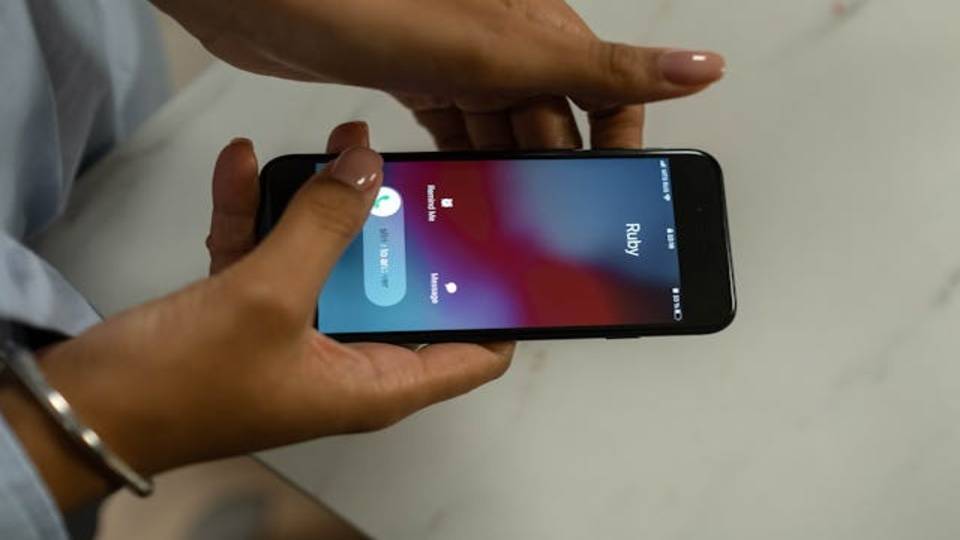
The Indian government has started its pre-launch testing of the famous application called CNAP (Calling Name Presentation).
This would be launched as a new caller identification system, which has been designed to display the verified name of a caller based on their KYC details.
Unlike various kinds of third-party apps that rely on user-submitted or crowd-sourced data, CNAP is deployed in a way that it uses official information collected during SIM registration, making the displayed name far more accurate and trustworthy.
The initiative also aims to significantly reduce the aspect of spam, scam and fraud calls across the country.
Telecom operators have also begun pilot trials in select regions.
Vodafone Idea is also the one that’s testing the system in Haryana, and Jio is also preparing to start trials in the coming weeks.
The Department of Telecommunications also thereby plans to implement CNAP nationwide by March 2026.
The feature will initially function on 4G and 5G networks, with older 2G networks likely to follow later, depending on technical feasibility.
The Telecom Regulatory Authority of India also supports enabling CNAP for all users by default, while still it would be allowing an opt-out option for those who prefer not to use the feature.
When a call is received, the phone will show the caller’s verified name whose data would be drawn from the telecom operator’s subscriber database.
This ensures that the identity shown is genuine and has not been influenced by how others have saved the number.
CNAP also has the potential to transform the aspect of mobile communication by making all the incoming calls more transparent and reliable.
However, telecom operators and even the digital rights groups have pointed out the need to carefully address the aspect of privacy and even the data management concerns.
Updating or correcting names, handling the record of shared numbers and maintaining secure databases will be key challenges as the system expands.
Image Credit: Pexels