
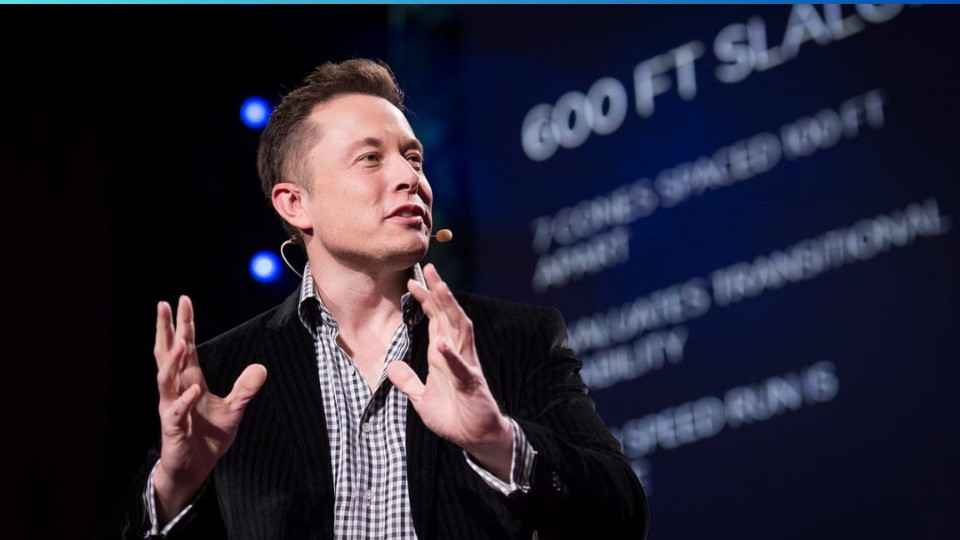
In a bold vision for the future of medicine, Elon Musk says the humanoid robot Optimus could bring “superhuman precision” to healthcare helping everyone get access to the best surgical care, no matter where they live.
Robots as surgeons
Musk chief of Tesla, Inc. recently told investor Ron Baron that Optimus robots are being envisioned not just for factory tasks but for high-end medical work that human surgeons apply today. He said:
“Imagine a world where everyone has access to the best surgeons, literally everyone. And Optimus will have the level of precision that is frankly superhuman.”
According to Musk, this shift is needed because there simply aren’t enough top doctors in the world: “There are only so many highly skilled surgeons and specialists they don’t grow on trees.”
What the vision involves
- Mass manufacturing: Musk’s goal is to build large numbers of identical medical robots in factories, similar to how cars or smartphones are made. He argues this is the only real way to scale access to high quality care globally.
- “Superhuman” dexterity: Optimus in its next iteration is expected to have more than the basic actuators and mobility of earlier prototypes enabling finer and more precise movements needed for surgery.
- Universal access: Musk frames this not as luxury tech for wealthy nations, but as healthcare for all. The idea is that a standardized robot could perform sophisticated medical tasks anywhere reducing the gap caused by shortages of specialists.
Huge ambition but many caveats
While the vision is striking, there are several important caveats that analysts note:
- Optimus is still at an early stage: it isn’t yet built for carrying out complex medical procedures; current demonstrations focus on simpler tasks.
- Regulatory & safety hurdles: The moment you involve surgical robots, issues of reliability, error rate, liability, patient safety, and approvals become extremely challenging. These will take years of testing.
- Technical complexity: True surgical robots must handle delicate tissue, respond to unexpected complications, and interact with human anatomy far beyond typical factory tasks. Even Musk indicates these are ambitious goals.
Why Musk is talking about healthcare robots
Musk positions this vision as more than a hardware advance. His broader message suggests that robots like Optimus could help bring about a future of “sustainable abundance” fewer human labor bottlenecks and more access for all, including in health.
He argues that healthcare scarcity is less about money and more about skill shortages.
By placing surgical capacity into machines, he aims to level the playing field so someone in a remote region could receive care comparable to a major hospital city center.
Implications for the world (and India)
If realized, the implications are profound, remote surgeries, rapid treatment, and global deployment of standardized quality care.
For countries like India, with massive healthcare access gaps and tight specialist supply, robotic doctors could help bridge shortages though cost, infrastructure, and training would remain key challenges.
There’s also the job market dimension, the robot surgeon narrative touches on the larger theme of robotized labor and what humans will do. Musk hints that as robots take on more roles, human focus may shift.
Musk’s statement that “Optimus will have the level of precision that is frankly superhuman and will be able to do very sophisticated medical procedures, any medical procedure, perhaps things that humans can’t even do because they’re too difficult.”
captures both the aspiration and the boldness of his vision. Yet the gap between today’s prototype and tomorrow’s robot surgeon is large.
Many steps must be taken technical, regulatory, and ethical. Still, this vision provides a vivid glimpse of how robotics, AI, and automation might reshape healthcare in decades to come.