
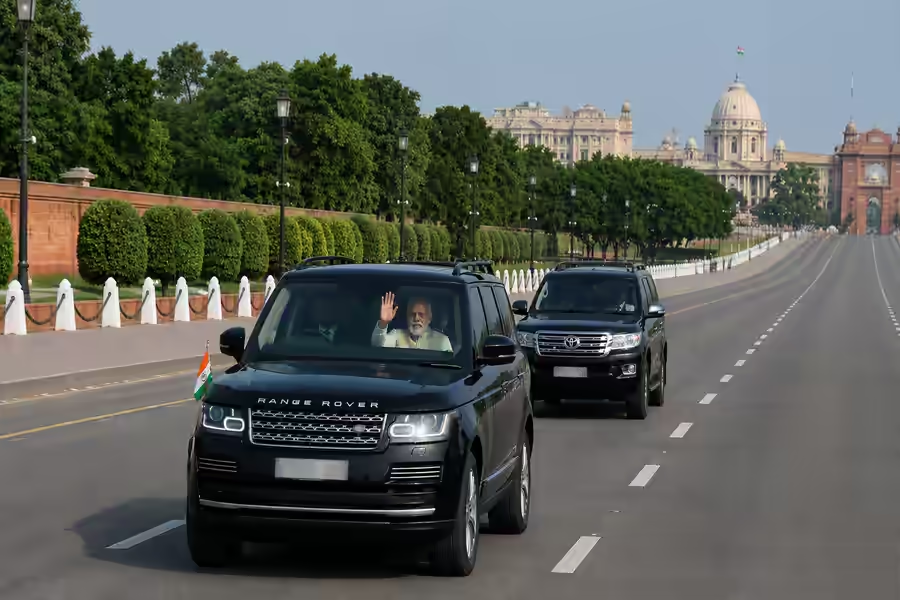
Prime Minister Narendra Modi has reportedly instructed a 50% cut in the size of his official convoy to go along with other measures aimed at austerity and saving on fuel during the current U.S. Iran tussle. The decision follows the Prime Minister’s call to people to cut down on the use of fuel and unnecessary spending days after he urged them to avoid non-essential spending in response to the increasing global economic uncertainty.
The Special Protection Group (SPG), which provides security for the PM, has been ordered to cut its convoy size “while preserving the required security measures,” sources in the report said. The government is also encouraging more EV usage when traveling and refraining from buying new vehicles to not add to the budget.
The format of the convoy has already been adopted in PM Modi’s recent visits to Gujarat and Assam, minutes after he announced various measures to alleviate pressure on the Indian economy and foreign exchange reserves in his speech in Hyderabad.
Government implements nationwide fuel-saving measures
The reduction in the convoy comes as part of a broader initiative by the government to save fuel and foreign exchange reserves amid rising regional tensions in West Asia that are affecting the world’s oil markets.
Modi, earlier this week, made several public appeals, which included:
- Increasing the frequency of usage of public transport and metro services
- Lowering the use of petrol and diesel
- So stay away from foreign travel if you don’t have to.
- Delaying non-essential gold purchases for one year.
These measures may help India deal with the hike in import prices and economic instabilities associated with the extended conflict in the Middle East, the government said.
The BJP leaders have started following PM Modi’s instructions
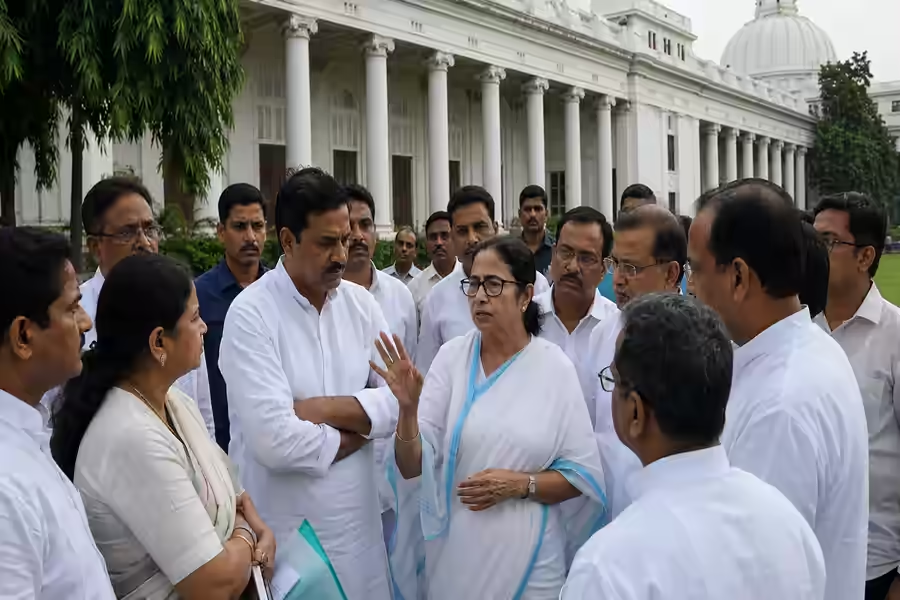
The Prime Minister’s austerity message has been welcomed by several members of the BJP in public statements. In Delhi, the Chief Minister Rekha Gupta announced that the Ministers, MLAs and government officers and departments will restrict the use of their vehicles and will use public transport if possible, carpooling if not.
In the meantime, Union Home Minister Amit Shah and Uttar Pradesh Chief Minister Yogi Adityanath have reportedly started fuel conservation in their respective functioning.
BJP is under fire from the opposition for allowing the large convoys
Austerity measures have also led to political criticism from the government. After videos emerged of newly appointed BJP leaders coming in with big convoys to official functions, the Congress party in Madhya Pradesh has cast blame on BJP leaders for not heeding the Prime Minister’s words.
Also Read: PM Modi Urges Indians to Refrain from Gold Purchases for a Year
Madhya Pradesh Congress president Jitu Patwari asked how the appeal could be restricted to the public but political events are still conducted through the use of large quantity of fuel, charter airplanes and roadshows.
BJP leaders shot back, saying that work is underway in the party to adjust to the Prime Minister’s direction and rectify any flaws.
Increasing oil pressure behind the government worries
India continues to be a big importer of crude oil and the ongoing conflict over the Strait of Hormuz has raised concerns over fuel price, inflation and pressure on the Indian rupee.
The economic cost for consumers, companies and government to the nation could rise further and West Asia’s geopolitical turmoil could significantly affect India’s trade balance, warn the economists.
The Centre’s recent communication indicates that fuel conservation and reduction in imports, and foreign exchange outflow are now emerging as a top priority given the escalating uncertainty in the world.