
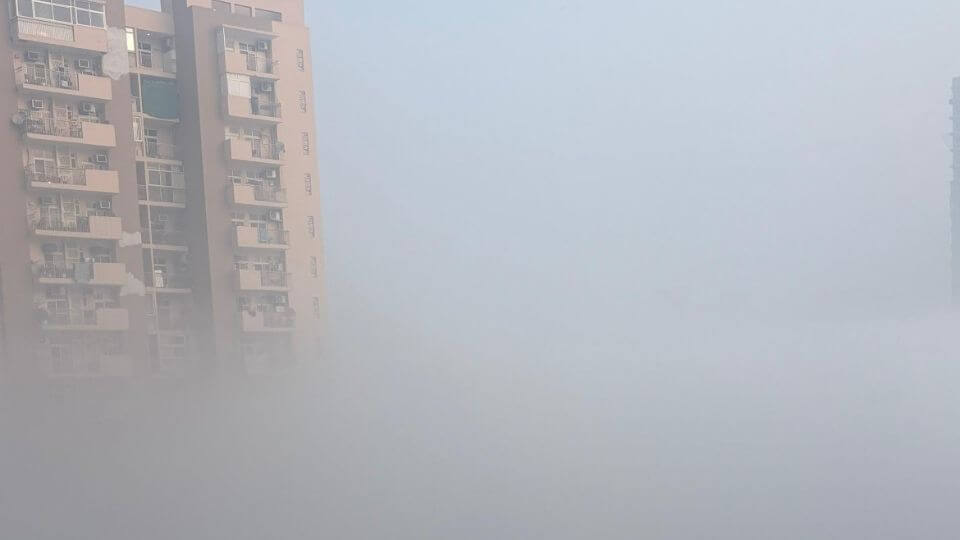
As Delhi’s Air Quality Index breached the 400 level, bringing it back to the “severe” category of air pollution over a week after rains washed away pollutants, authorities on Thursday triggered Stage 4 of the Graded Response Action Plan or GRAP-4.
The quality of air in Delhi has deteriorated to alarming levels, prompting the authorities to enforce stage 4 of the GRAP, which is the ‘emergency’ or ‘severe+’ category of pollution control measures. The decision came after the average AQI of the city had breached 400, pushing it straight into ‘severe’ category and posing serious health risk for residents.
The decision follows unwelcoming weather patterns, low wind speeds and a constant accumulation of home-grown pollutants. Officials have said breathing such air can cause difficulty in breathing, worsen asthma and raise the risk of respiratory and heart-related illnesses, particularly among children, the elderly and people with pre-existing health problems.
GRAP 4: What it is and why you should care about it
GRAP: It is a set of emergency measures (implemented) only when levels of pollution hit certain thresholds. Stage 4 is only imposed when the quality of air turns severe or severe-plus, which signals an environmental emergency.
दिल्ली वाले CM रेखा गुप्ता की मानते हुए थर्मामीटर 🌡️ लेकर AQI नाप रहे हैं pic.twitter.com/yrtLPjpBwk
— Saurabh Bharadwaj (@Saurabh_MLAgk) December 10, 2025
When GRAP 4 kicks in, preventive measures give way to severe restrictions that target immediate sources of emissions. Those measures affect construction activity, transportation, industry and even daily movement in some parts of the city.
What’s restricted under GRAP 4
In immediate curbs through GRAP-4, several activities across the city have been brought under checks:
- All construction and demolition activity has been suspended except for work deemed essential or of national importance
- Diesel trucks are disallowed from entering Delhi barring those transporting essential items
- BS-III petrol and BS-IV diesel vehicles are banned inside city
- Industries which are not operating on clean fuels have been asked to close down
- Stone crushers, mining and crushing in agricultural lands won’t be allowed
- Diesel generators are banned, unless for emergency services
Officials have also been directed to step up monitoring on garbage burning, dust control and traffic violations which contribute to the pollution.
What’s allowed despite GRAP 4
Despite the tough measures, essential services and some activities are still functioning so as not to disrupt people’s daily lives:
- Vital services like ambulances, fire service and police vehicles and emergency response units are still on the job.
- Public transport, such as bus and subway services, is still running and could be increased to discourage the use of private vehicles.
- Trucks ban exempts Vehicles transporting goods such as food, medicines and fuel
- Schools and offices are open unless otherwise advised by the government.
Residents are being urged to make greater use of public transportation, share cars and work remotely if possible.
Health advisory for residents
Health experts have encouraged people to stay indoors in the meantime. People with respiratory problems have been advised to wear a mask when venturing outside and to draw the windows at home. Instead of outdoor time, light exercise from the comfort of home is advised.
Parents should also keep a close watch on children, as long-term exposure to such severe air pollution can affect lung development and overall immune systems.
Why pollution remains stubbornly high
Experts say Delhi’s winter pollution is due to a variety of factors – vehicle fumes, industrial emissions, construction dust and the burning of crop residue in neighbouring states. When wind slows and temperatures cool, pollutants become trapped and AQI levels surge.
Short-term fixes such as GRAP 4” can help reduce emissions for only so long; sustained policy action, cleaner transport and regional cooperation are needed for lasting improvement.
What to expect next
Air quality levels will continue to be monitored daily by the authorities. The GRAP 4 measures will persevere until there is some improvement and pollution levels come down to below the severe category.
Residents are advised to stay vigilant for now, follow official advisories and make as little disruption in their lives as they can while Delhi negotiates its way through yet another spell hazardous air.
Image credit: X/@Chhabiy