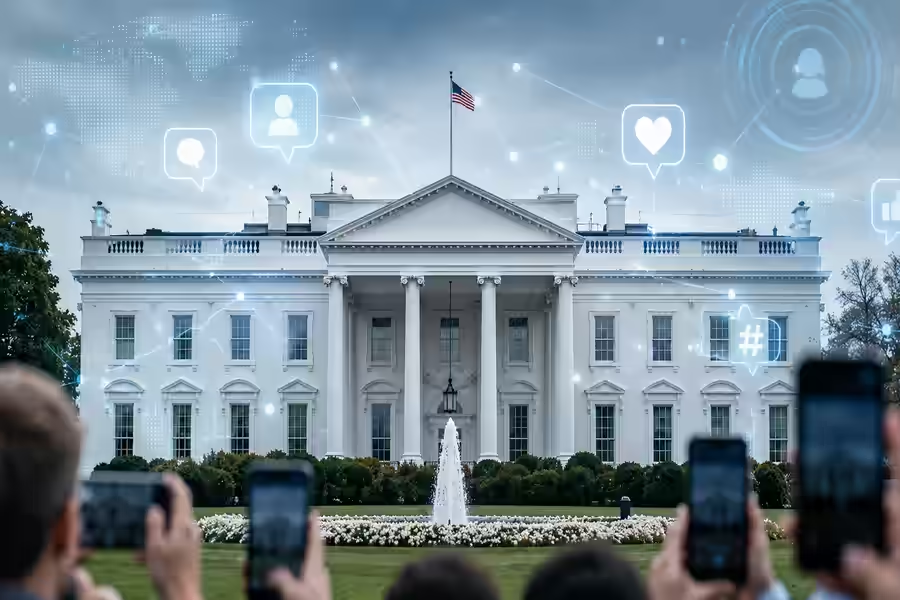

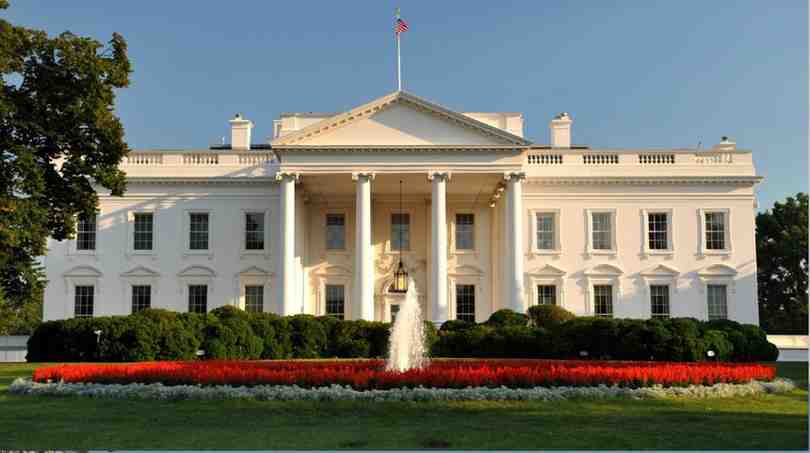
The details of a new report that was written within the White House have cast some serious concerns regarding the concerns of the involvement of Alibaba in the military and cyber activities in China.
As indicated by the document, Alibaba, one of the largest e-commerce and cloud computing firms in the world, is purportedly supplying sensitive digital features to the Chinese People’s Liberation Army (PLA).
They are consumer information, artificial intelligence applications, and software vulnerability data, which can be utilized in system operations.
According to the report, Alibaba gathered scanty masses of data using its platforms and sold some of them to some military linked groups.
This information is said to have IP addresses, location, device names, and even web behavior trends. The U.S. officials claim that this kind of information would be useful in the identification or tracking of foreign individuals, including American citizens.
Besides gaining access to data, the White House document states that Alibaba has backed the PLA by providing AI-based analytics, cloud services, and computing power that may empower the Chinese cyber strategies.
Among the most threatening facts quoted in the report is when it speaks of a zero day vulnerability, or a flaw in the software that hackers or military cyber teams are aware of but which the programmers do not know yet.
The memo states that the Alibaba researchers could have conveyed such knowledge about these vulnerabilities to the Chinese security agencies.
Such accusations, when confirmed, are bound to imply that a giant international technology firm is actively taking part in military actions with possible detrimental effects on U.S. security.
But at this point, the report is merely the internal report and evaluations and not confirmed evidence to the general population.
Alibaba and China vindicate strongly against the allegations
Alibaba made a strong denial as a reaction to the report. The firm claimed that this is absolutely untrue and that such dissemination of information would tarnish it internationally.
Alibaba claimed to be operating in line with international privacy protocols and that it does not disseminate personal information to any government to be used to the benefit of the military.
The report also elicited a strong reaction by a spokesperson of the Chinese Embassy in Washington.
The embassy described the allegations as baseless, and the United States had inflated the issue of security politically.
The statement that was given by the embassy claims that China does not compel the partnership of the private companies in foreign surveillance or illegal data collection.
Chinese authorities state that the report is a subset of an overall attempt by the U.S. to limit or undermine technological corporations in China.
Over the last few years, the U.S. has scrutinized a number of Chinese firms, and in most cases, these ills have been associated with espionage and cybersecurity threats.
This recent indictment is another pressure on an already poor relationship between the two nations, notably in the area of high technology.
Regardless of the refusals, the report will escalate the debate within Washington on whether deeper actions should be taken against technology firms owned by the Chinese and actively involved in international operations.
Even the lawmakers specializing in the sphere of national security are already asking the government to think about the new policies, including reconsidering the example of Alibaba as a cloud service provider or limiting its cooperation with the American companies.
Concerns are rising in technologies and international security
The complaint made against Alibaba is not a single instance. It arrives when America is becoming more vociferous on the dangers of the Chinese technology giants taking over key industries.
There are fears regarding data privacy, there is a risk of a backdoor in the software, and there is a possibility that the military of China may utilize commercial platforms to develop its cyber capabilities.
The report has not yet shown the official action by the White House. Nevertheless, observers feel the very disclosure is an indicator of a more inquisitive approach to technology related problems of national security.
This trend of emphasis on digital infrastructures, cloud services, and AI systems has been at the center of contemporary geopolitical plans, and the competition between the U.S. and China over the same keeps growing.
As the case unfolds, the accusations of Alibaba will probably continue to become a part of the bigger picture of international technology wars, cybersecurity, and trade innovation in terms of national security.