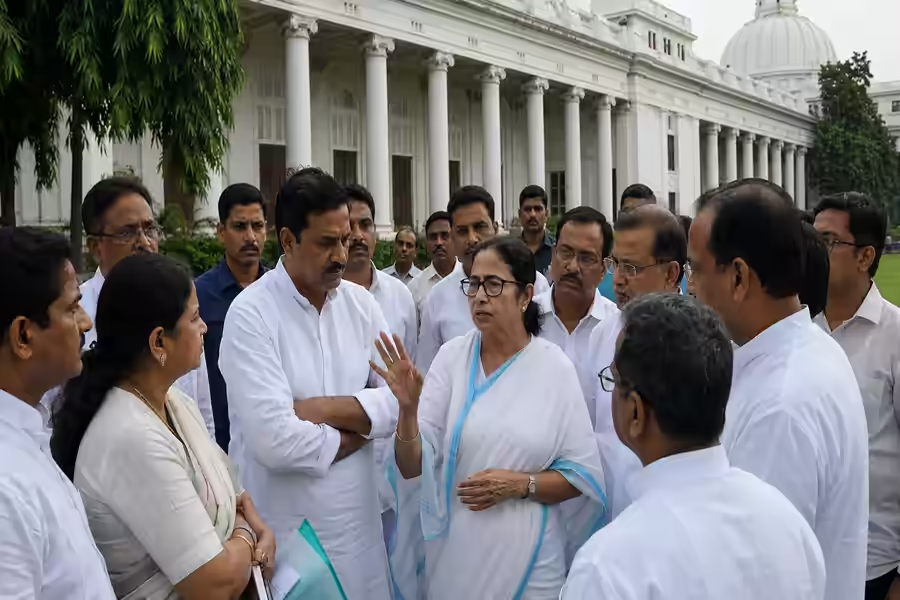

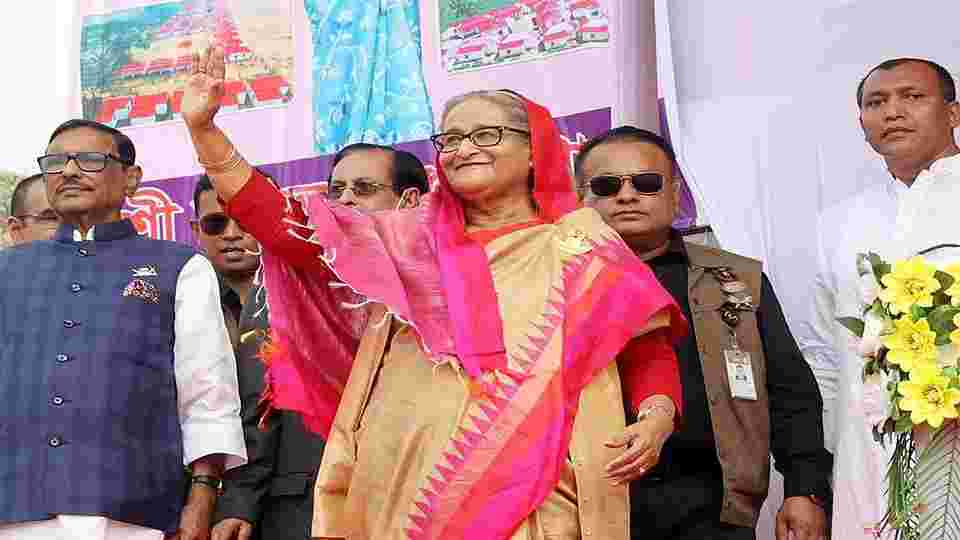
Bangladesh’s interim government has also asked India to send back its former Prime Minister, Sheikh Hasina, after a special court in Dhaka has now sentenced her to death.
She has also been accused of crimes against humanity during the student protests in 2024, which have turned the whole thing violent and even led to many deaths.
The court has also claimed that she has ordered attacks and has even failed to stop the violence.
Sheikh Hasina has also lived in India since she was ousted from power in August 2024. Bangladesh is now using the extradition treaty that was signed with India in 2013 to request her return.
However, India has still not agreed to this. India’s Foreign Ministry have also said it has noted the court’s decision and will also stay in touch with Bangladesh, but did not commit to extraditing her.
One big reason India may refuse is a condition in the treaty. If the crime for which someone is accused is actually a political aspect, India can deny the extradition.
Experts also believe that India could argue that Hasina’s case has been politically motivated. Many legal experts also point out that since the new government in Bangladesh is not elected, India might wait for clarity before making any kind of decision.
Sheikh Hasina has also denied all charges. She said the trial was unfair and that the new leaders in Bangladesh are targeting her for political reasons.
Her party members and lawyers also agree and have said they will challenge the ruling.
This situation also comes at a sensitive time. Bangladesh is preparing for elections, and the political climate is tense.
India and Bangladesh have close relations, and how India responds could be the main reason that would affect ties between the two countries.
For now, the Indian government is being cautious about all this and has not made any final decision about sending her back.
Image Source: Wikimedia