
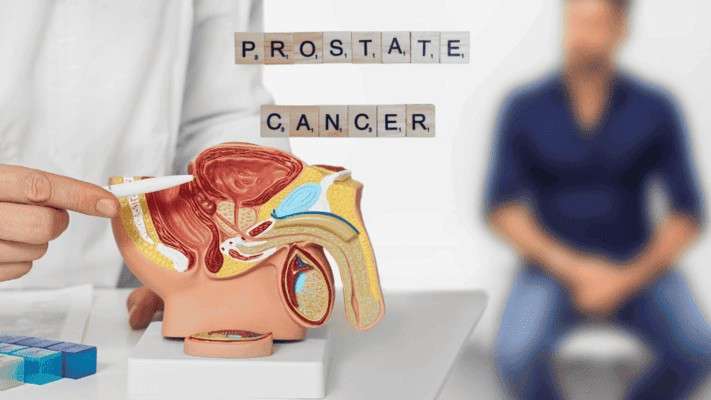
In one of the first clinical trials, men who had relapsed to prostate cancer following surgery or radiation responded much better to a two-drug combination than to receiving hormone therapy only. This has resulted in an approximate 40.3% decrease in the risk of death, which is ranked as one of the most significant contributions in the care of prostate cancer in the recent past.
What the Study Showed
Scholars recruited over 1,000 males in excess of 240 locations all over the world but had high situation biochemically recurrent prostate disease, that is, with a rapid increase in prostate specific antigen (PSA) levels following a baseline treatment, though with no apparent metastases on treatment.
The study population was selected to be given:
- Single hormone therapy (leuprolide).
- Androgen receptor blocker (enzalutamide) monotherapy.
- The enzalutamide combination with leuprolide.
With an 8-year follow up period, the total survival rate of the combo therapy group was 78.9% compared to 69.5% in the hormone therapy alone group (hazard ratio=0.597, 95% CI=0.444-0.804).
Notably, it is the first trial in the area of patients with a definite survival advantage of early dual therapy over waiting till the metastasis occurs.
The study has significant implications in the management of prostate cancer in case of its recurrence following the initial intervention:
- It justifies a change in the attitude towards a wait and watch policy towards a more aggressive treatment in cases of high risks.
- It gives hope that earlier intervention can help such men to live longer and have a better life. One specialist has estimated that this would result in an additional 15 years of life for a 70-year old patient whose cancer recurred.
- The pathway to practice change may be expedited by switching to its two already approved and available drugs (leuprolide and enzalutamide), in contrast to novel therapies.
- To use this advantage in patients and clinicians, it becomes even more crucial to identify a person that can be considered high-risk (rapid PSA doubling, previous treatment) to offer these advantages.
Things to Consider
Although the findings are convincing, few qualifications exist:
- The group of patients was rather narrow high risk, biochemically recurrent prostate cancer without observable metastasis. It might not be applicable to all prostate cancer patients.
- Dual therapy is also more expensive than hormone therapy alone with regard to side effects and monitoring required.
- Like any drug, side effects should be anticipated in the long run, particularly in the elderly who have other health problems.
- The issue of access and affordability might be dependent on the region and healthcare system – the implementation of findings will need to be planned on a global level.
- Cancer can still be serious even with a 40 percent anticipated decrease; the combination enhances the results but does not guarantee that cancer will be cured.
Questions that Patients Must Ask of Their Oncologist
The following questions could be useful should you or someone you know be in a situation of prostate cancer recurrence following first surgery or radiation:
- Would I qualify for this dual therapy, and am I considered to be high risk (rapid PSA rise, negative imaging, etc.)?
- What are the side effects of starting the combination immediately as compared to waiting?
- How will such treatment impact my quality of life, considering my age and other health-related factors?
- What monitoring will I require, what would the costs be, and would it be covered by my insurance or health system?
- What will happen should I not consider dual therapy now?
This study will be a major step forward towards a disease that causes death and disability to millions of men around the world, with recurrence usually resulting in adverse consequences.
The gain of about 40 per cent of survival in a combination of enzalutamide and leuprolide is a new hope and change of paradigm of treatment to early aggressive control in selective patients.
Nevertheless, the choice to adopt this therapy is personal, which depends on risk factors, health status and access. As a patient and carer, being informed, talking to your oncologist and thinking about both advantages and disadvantages will be on the list of making the perfect choice. This can be a breakthrough in the treatment of many men who have a recurrence of prostate cancer.