
India, on February 14, 2026, solemnly commemorated seven years since the terror attack in Pulwama that claimed the lives of 40 brave security personnel. The day remains a part of the national memory as one of the most agonising moments of the national struggle against terrorism.
The country was flooded with tributes to the fallen heroes, with leaders cutting across party lines to remember their bravery, sacrifice and unyielding service to the country.
Prime Minister Narendra Modi led the nation in paying homage. In a message on X, he remembered the “brave heroes” who laid down their lives on February 14, 2019. The Prime Minister said their devotion, resolve, and service to the country remain permanently etched in India’s collective consciousness. He added that every citizen continues to draw strength from their enduring courage.
Vice President C. P. Radhakrishnan echoed similar sentiments. Paying tribute, he said the supreme sacrifice of the personnel will forever remain in the nation’s memory and will continue to inspire efforts toward building a strong and secure India.
Leader of Opposition Rahul Gandhi also honoured the martyrs, recalling their bravery and valour. In his message, he said the country will always remain indebted to the soldiers for their supreme sacrifice in defence of Mother India.
Union Minister Nitin Gadkari offered salutations to the jawans, remembering their courage and dedication. Congress president Mallikarjun Kharge paid deep homage as well, stating that the indomitable spirit and unwavering commitment of the martyrs will remain eternal in the nation’s collective memory.
What happened in 2019?
The events leading to the tragedy started on February 14, 2019, when a suicide bomber used to crash an explosives-laden vehicle into a bus that belonged to a massive CRPF convoy traveling along the highway in Jammu and Kashmir. That convoy included dozens of vehicles with thousands of people who were transported by Jacob of Jammu to Srinagar. Such a strong explosion was followed by heavy casualties and caused shock in the country.
Jaish-e-Mohammed, a Pakistan based militant group took credit over the attack. The event attracted immense criticism among the international community and was the turning point in terms of security posture of India in the region.
During the days that followed, India conducted retaliatory attacks to terror camps across the border in what was later to be called Balakot airstrike. The move was an indication of a more aggressive approach to cross border terrorism and a further heightening of diplomatic and military threats.
Memory, grief, and resolve
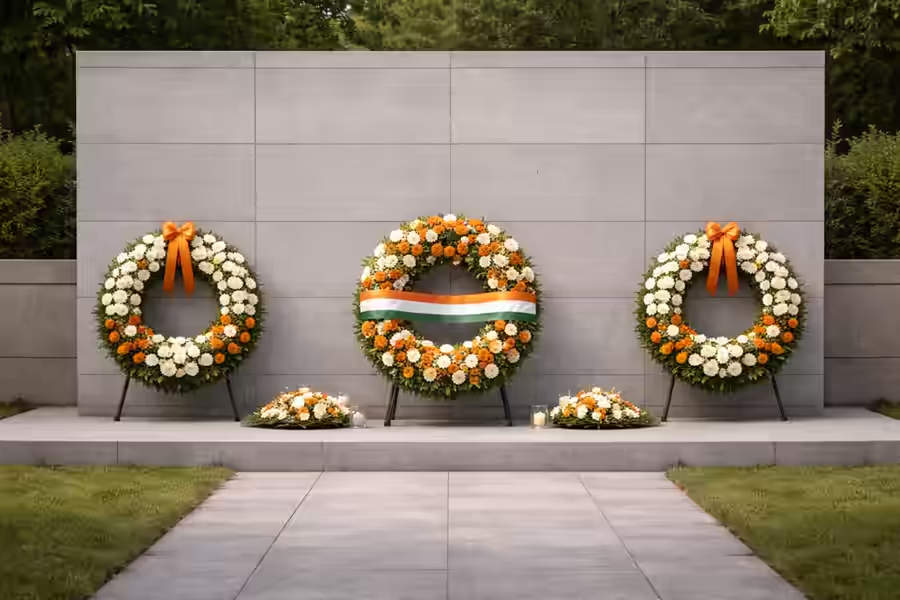
The anniversary of the attack has over the years become a symbol of mourning and at the same time determination. The families of the martyrs do their recollections and citizens all over the country give their tribute in the form of the ceremonies, candle light vigils, and solidarity messages. The date is a constant reminder to many Indians of the high price paid by security officers to protect the country.
Also Read: Isha Ambani Turns Heads in Pastel Pink Bridal Lehenga Look
Seven years later, the words of leaders accentuate a common feeling. Not only is the courage of the soldiers not forgotten, but is also regarded as a constant inspiration. It is their sacrifice and it is bolstering their determination to fight terrorism and keep the country united.