

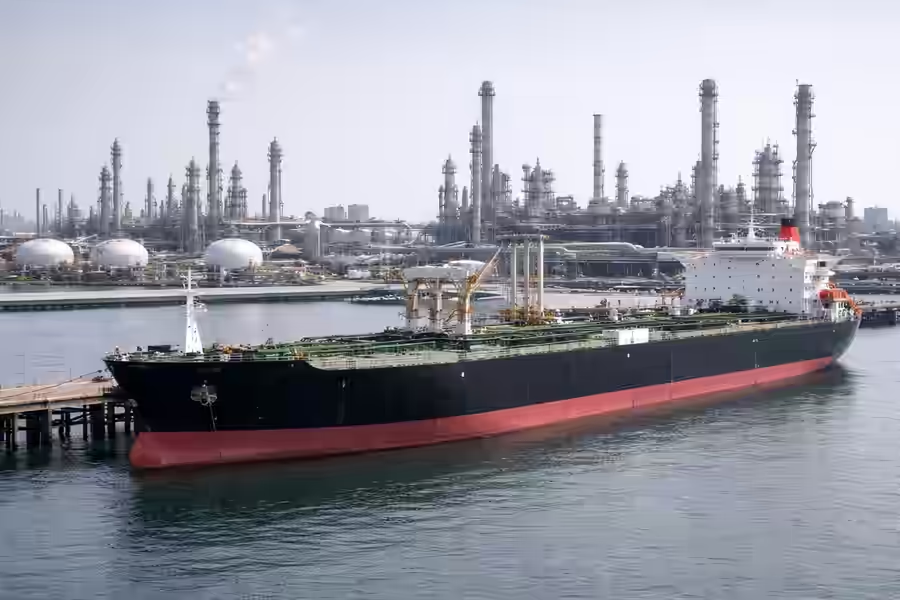
According to a top corporate executive, Reliance Industries Ltd. of India, which runs the largest refining center in the world, will resume importing Russian crude oil in February following a temporary hiatus. For usage at its refinery, the private refiner intends to buy up to 150,000 barrels per day (bpd) of Russian oil, mostly for the domestic market.
According to the CEO, the crude will only come from Russian vendors who are exempt from Western sanctions. Citing corporate policy, the official declined to be named while speaking on the fringes of India Energy Week. Reliance did not immediately reply to demands for comment, and the suppliers’ identities were not made public.
The conglomerate was getting ready to accept Russian oil shipments in February and March after a one-month suspension of imports, according to a Reuters story earlier this month. The hiatus followed the expiration of a temporary exemption given by the United States, which caused Reliance to wind down agreements with Russian oil giant Rosneft.
The United States tightened limitations on transactions with some of Russia’s biggest oil companies in October by imposing sanctions on Rosneft and fellow Russian energy firm Lukoil. Nonetheless, commerce in Russian crude has persisted through businesses and middlemen that are not subject to sanctions, giving purchasers like Reliance access to reduced supply.
After obtaining a temporary US concession that allowed it to reduce contracts with Rosneft over a November 21 deadline, Reliance last received Russian crude oil in December. The Indian conglomerate had a long-term contract with Rosneft to purchase up to 500,000 bpd for its Jamnagar refining complex in Gujarat before to the restrictions.
Fuel produced at refineries that received or processed Russian oil 60 days before the bill-of-lading date will not be accepted by the European Union as of January 21. Reliance has indicated it will process the cargoes that arrived after November 20 at its India-focused 660,000 barrels per day plant, allowing it to continue supplying fuels to the EU from its 704,000 bpd export-oriented refinery.
Following the start of the war in Ukraine in 2022, refiners in India became the largest purchasers of discounted Russian seaborne crude. As they move away from Russia, they are reevaluating their crude import plans and increasing Middle Eastern acquisitions.
Last Monday, Srinivas T, Reliance’s chief operating officer for refining and marketing, stated, “We have faced instances where sanctions were imposed suddenly and we had to cut back.”
With a combined capacity of 1.4 million barrels per day, the Jamnagar refinery complex depends on a variety of crude procurement methods. In addition to Russia, Reliance purchases oil under long-term agreements from significant producers including Saudi Arabia and Iraq.
To suit its operating needs, the firm also imports crude from Canada. Reliance is investigating alternate supply routes in addition to modifying its imports of Russian oil. The business is requesting permission from US officials to start importing Venezuelan petroleum again, according to a different Reuters story.
Also Read: TikTok Influencer Alina Amir’s Viral MMS Deepfake Explained as She Breaks Her Silence
As the refiner steadily moves away from reliance on Russia’s biggest oil companies, this action is part of a larger attempt to guarantee dependable supply. The most recent strategy highlights Reliance’s adaptability in managing international energy markets in the face of changing geopolitical and regulatory obstacles.
The sources stated that even with Reliance’s comeback, India’s total imports of Russian oil are anticipated to remain low through February and March.