
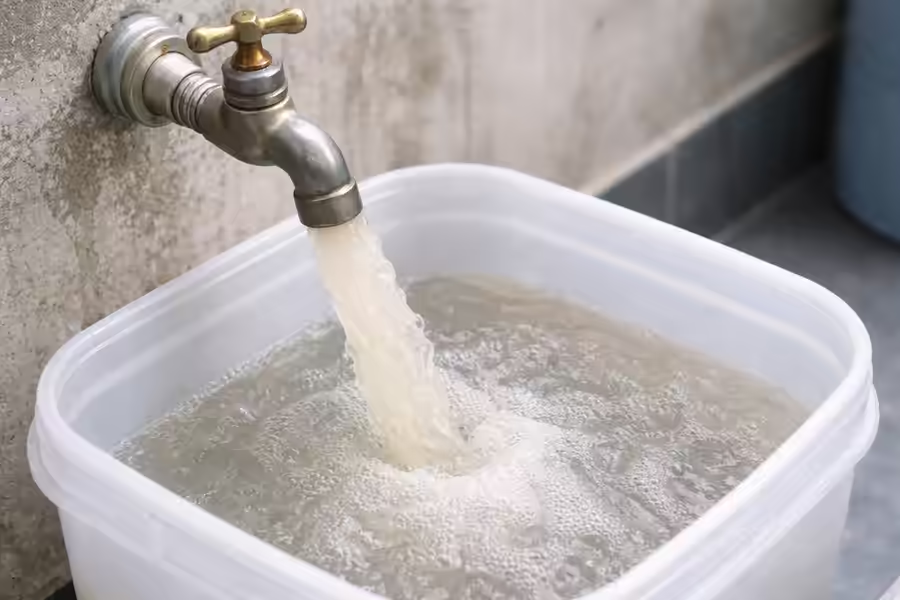
There have been at least 22 cases of illness in people who drank contaminated drinking water in the Mhow area of Indore district just weeks after a serious outbreak of water-borne diseases had caused the death of many people and several others were hospitalised, officials said on Saturday.
The most recent cases were recorded in most neighbourhoods in and around Mhow with residents reporting symptoms of vomiting, diarrhoea and stomach pains after consuming unsafe water. Among the 22 affected persons, nine of them are hospitalized and the remaining 13 are receiving therapy at home under medical care. The authorities warned that the case counts might rise because reports are still being received in neighboring localities.
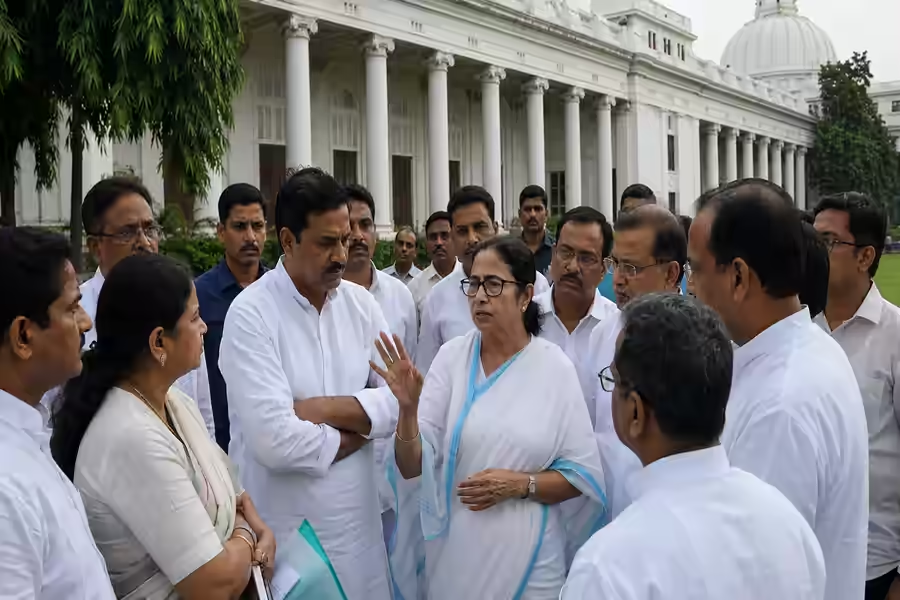
Late Thursday evening, when the first reports emerged, the local government reacted promptly to the arising situation. District Collector Shivam Verma paid a visit to one of the main hospitals in which the victims were taken to meet with the affected people, assess the response efforts, and plan the relief measures with health officials.
Since Friday morning, a health department team has gone out in the affected areas. Authorities reportedly were offering direct health care, screening and closely monitoring the situation in the neighbourhoods that had been most significantly affected by the contamination.
Saturday morning the administration commenced a door to door survey among the communities affected so as to detect any new cases early. Officials added that patients are being classified according to the severity of the symptoms in order to get the right and timely treatment.
Recent Outbreak and Ongoing Concerns
The present outbreak is several weeks following another outbreak of water-borne diseases in sections of Indore, where people suffered a health disaster due to the contamination of drinking water.
At least 15 deaths were confirmed by the local authorities, though residents of the area have alleged that the number might be higher with some residents claiming that approximately 25 deaths were caused by terrible vomiting and diarrhoea diseases.
It has attracted judicial interest and the case was referred to the Madhya Pradesh High Court. Previously this week, the state government advised the court that it had constituted a high level committee to enquire into the cause of the drinking water contamination, the responsibility and to advise on prevention of future outbreak.
But the petitioners in the case claimed before the High Court that the committee was a mere eyewash and was formed to protect the senior officials instead of conducting a proper, fair, investigation.
A government inspection revealed that the main cause of the outbreak was bacterial contamination of the drinking water supply. The test findings submitted to the High Court indicated that 51 tube wells in Bhagirathpura were positive in the presence of E. coli bacteria, which is a clear sign of faecal contamination. Such dangerous pathogens in the water supply highlighted the long-standing issues of infrastructure and water quality in the area.
After the crisis, the local government has moved to assist the affected families. The families of 21 people who lost their lives to water-related diseases during the previous outbreak have been compensated with 2 lakh each. Municipal governments are still prioritizing relief programs and enhanced health surveillance as they strive to curb the recent health panic.
Health authorities have once again emphasized the need to have safe drinking water, and they are advising people to use boiled or treated water until the source of contamination is completely eliminated. The administration has also intensified water source, distribution line, and community well testing as part of the ongoing containment and prevention efforts.
Also Read: Trump Looks at Expanded Iran Options Amid Fatal Nationwide Unrest
With investigations underway and teams of health workers in the field, authorities have emphasized that constant vigilance and community collaboration is necessary to prevent additional infections and provide the area with access to safe water across all of its inhabitants.