
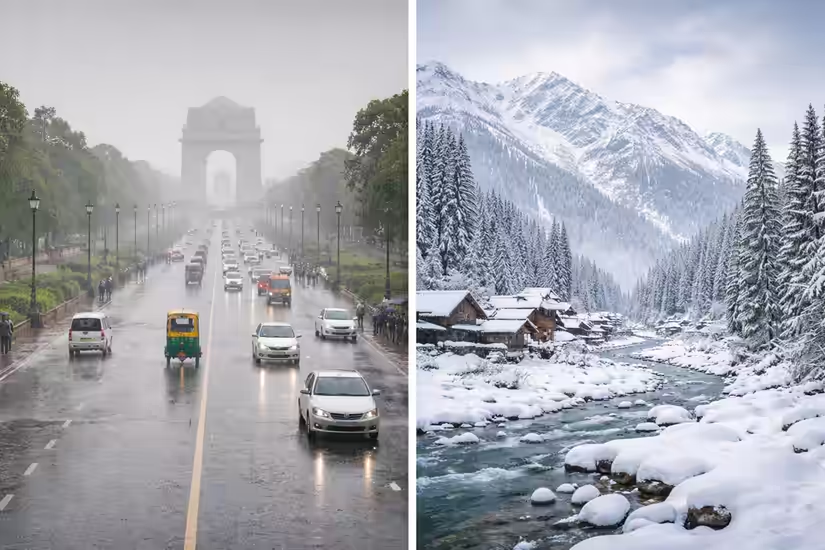
The weather patterns in northern India were also affected by the influence of an active western disturbance on the weather conditions witnessed over Delhi in the morning on Friday, which experienced light to moderate rainfall, thunderstorms, lightning, and strong winds.
Some of the parts of the national capital and neighbourhood witnessed showers causing reduction in temperature by a large margin, as well as cloudy skies expected to continue throughout the day, the India Meteorological Department (IMD) said.
At 4:50 am IST, the IMD had given out an orange alert nowcast warning, predicting spells of rain, as well as moderate thunderstorms and lightning. Strong winds of 40-60 kmph were also to be experienced in some areas. The early showers slightly alleviated the warm weather observed earlier in the week but did not help much in reducing the air quality in Delhi, and it was still in the poor category.
Narela, Bawana, Alipur, Burari, Rohini, Badli, Model Town, Azadpur, Pitampura, Mundka, Pashchim Vihar, Punjabi Bagh, Rajouri Garden, Jaffarpur, Najafgarh and Dwarka were the areas likely to be hit by the showers. These areas were expected to get short spells of rain that was intense, containing lightning and strong winds, which could extend to the afternoon or even evening.
The weather officers observed that there could be another slight episode of light rain or drizzle later in the day as the disturbance continues. Several rainy periods and somewhat lower temperatures are also expected to persist until Friday and the weekend.
This shift in climate is only a day after the Delhi city experienced the warmest January temperature in seven years when the thermometer dramatically rose above the normal temperatures. The active western disturbance is now shifting this trend and it has added cooler and wetter climate to the plains.
The weather change did not just effect India in North but fresh snow was reported in the Himalayan region. The popular ski resort of Gulmarg and the higher elevations around the area received a lot of snow and Srinagar city and other portions of the Kashmir Valley received the first large amount of snow of the season.
Authorities indicated that Srinagar-Jammu national highway was closed temporarily and over 20 flights were cancelled because of derailed operations.
Snow and rain also impacted on the daily life in lower plains of Kashmir, with road closure and low visibility being reported in many districts as the snow persisted to Friday.
Meanwhile, fresh snowfall is also reported in parts of Himachal Pradesh, in one of the tourist destinations Manali, which blanketed the hill town in a white cover and pleased tourists.
What Is Making The Weather Change?
The meteorologists explain the prevalent rain and snow by an active western disturbance which is a normal form of weather in winter that moisturize North India in January and cool down the air.
The unrest is likely to persist within the region in the coming days and some intermittent rain and snowfall may occur in the plains and mountainous regions.
Also Read: Trump Looks at Expanded Iran Options Amid Fatal Nationwide Unrest
As the weather keeps getting colder and precipitation increases, it is recommended to be informed about weather changes and take the required measures, particularly in hilly areas where snow can influence the travel and delivery of transport services.