

The wintertime is associated with additional difficulties for people with diabetes people tend to spend less time exercising, it is colder, and winter with its food and even change of routine all contribute to increased difficulty in controlling blood sugar.
With the observation of World Diabetes Day, endocrinologists remind you that it is very important to understand such seasonal changes and change your treatment accordingly to keep pace.
The reason winter has an effect on diabetes control
Experts state that the number of reasons why individuals with diabetes might experience challenges in their colder months can be enumerated as follows:
- Caused by low temperatures and short days, physical activity may be less: less walking, less time outside, and this way less glucose is consumed in muscles.
- The cycles of the seasons are more inclined to desire true comfort foods, which are more faithful to carbohydrate-pregnancy, and thereby there is more chance of blood sugar spikes.
- Less sunshine and daytime outdoors will influence the amount of vitamin D, insulin sensitivity, and mood that are related to the level of glucose management.
- The risk of cold and flu increases during winter, an illness increases blood sugar through stress hormone spikes and has the potential to disrupt a medication or diet schedule, which further destabilizes the blood sugar.
Considering such aspects, it is all the more necessary to be careful and watchful during this season.
The Smarts of the Season, According to Experts
Endocrinologists suggest the following measures in order to have better control over diabetes in winter:
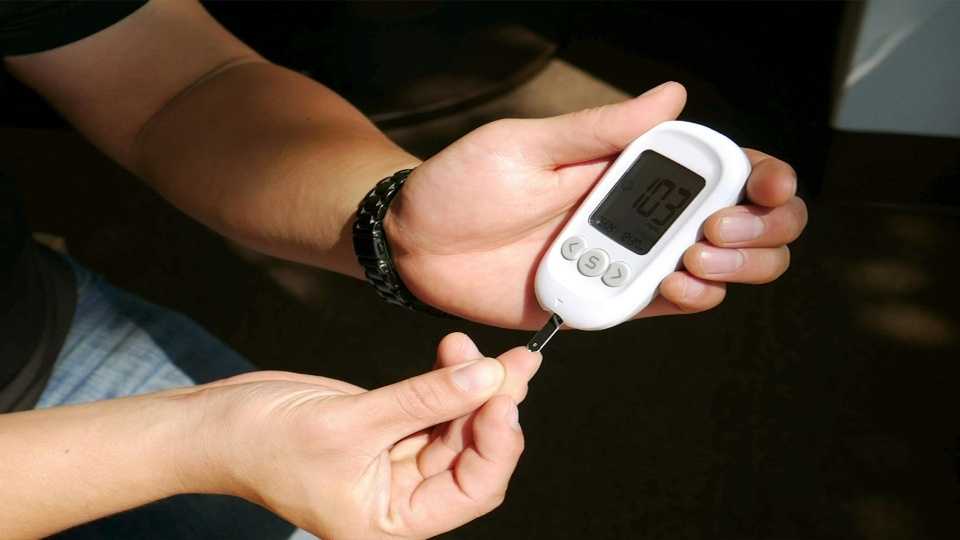
- Monitor more frequently Winter can result in a slight change in glucose pattern. Make sure you use your glucometer or CGMS (continuous glucose monitoring system) at a more frequent rate to be able to pick up unexpected highs or lows at an early stage.
- Stay active indoors In case outdoor exercise is not a feasible option because of cold or polluted air, schedule some indoor exercises such as yoga, climbing stairs using a resistance band, or brisk walking within the home. These sustain muscle intake of glucose and serve to reduce spike.
- Selection of foods that are in season in winter The winter season provides good glucose control food items, which include leafy greens, root foods, nuts, fruits, and even spices like cinnamon or turmeric. Simultaneously, do not get too carried away with fried foods, sweets, and fatty foods that are part of the festivals
- Take care of your feet and circulation Poor circulation and increased risk of foot ulcers in diabetics might be caused by cold weather. Wear thick socks, take daily care with feet, check on the redness or cracks, and moisturize (without going between toes) to avoid redness and cracks, which may cause wounds.
- Control complications and dehydration Forget not inoculations (flu, pneumonia), and watch out in case you are getting sick. And drink plenty, too the thirst reaction in winter is a weak one, but dehydration will raise blood sugar.
- Modify pharmaceutical and time Discuss with your endocrinologist the possibility of either increasing or decreasing dosage/insulin depending on altered activity and meal habits when playing in winter.
Winter conditions do not simply pose a problem with glucose levels, but they increase the probability of developing complications, including cardiovascular problems, neuropathy, and infection. Researchers point out that early and regular treatment of children is now seen as a way of saving money that would be spent later, outweighing health effects.
As the World Diabetes Day is about raising awareness and taking action, it is a simple issue: Diabetes does not take a seasonal break, and therefore your diabetes intervention needs to reflect it.
To summarize, winter does not necessarily have to destroy the management of diabetes. By being conscious about diet, exercise, patient control, and self-management, you will maintain stable blood sugar and prevent complications. On this Diabetes Day of the World, turn this season to your health rather than the other way around.