
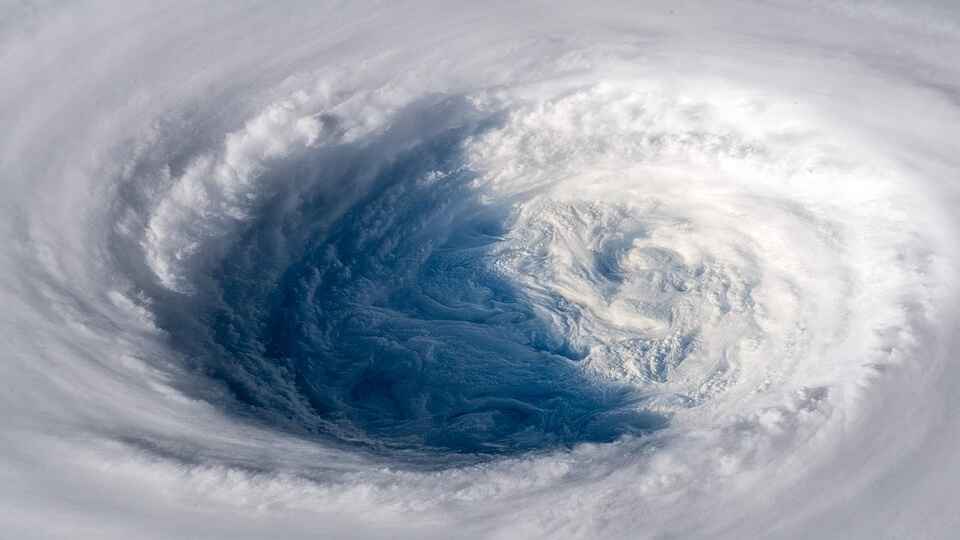
Typhoon Fung-wong has now surrounded the Philippines, which has been leaving at least two people dead and has became a reason for forcing over one million residents to leave and evacuate from vulnerable areas.
The tropical cyclone, which has been now classified as a severe storm by the Philippine Atmospheric, Geophysical and Astronomical Services Administration (PAGASA), has also been the reason which has brought heavy rainfall, the strong winds, and even have brought in widespread flooding across several provinces.
Officials have also reported that the fatalities that have occurred due to landslides and even the flash floods triggered by the intense rain.
Numerous homes were also damaged, roads were also blocked by fallen trees and debris, and they also suffered power outages, which have now affected large parts of the country.
Local authorities have now also set up emergency shelters to accommodate evacuees, thus helping to prioritise safety and even provide necessities to the people who are evacuees, such as food, water, and medical care.
The government have also activated disaster response teams across different affected regions, including Luzon and parts of Visayas.
Rescue operations are still ongoing, and authorities are now closely monitoring river levels, landslide-prone areas, and even the coastal zones for storm surges.
Citizens have also been urged to stay indoors and avoid unnecessary travel, as dangerous conditions continue to be widespread in multiple regions.
Meteorologists have also recently warned that Typhoon Fung-wong may continue to affect the country for the next 24 to 48 hours.
This would lead the country to encounter intermittent heavy rainfall and gusty winds. PAGASA has advised local governments to remain vigilant, strengthen evacuation measures, and keep residents informed of any sudden changes in the storm’s path.
This typhoon has also added to the growing challenges the Philippines faces during the storm season, thus have also been highlighting the need for preparedness and timely response to natural disasters.
Authorities have also emphasised that public cooperation is crucial in such times to minimize casualties and damage. Citizens are also encouraged to follow official advice given and ensure that evacuation plans are in place to safeguard lives.
Image credit: Wikimedia