

Fresh tensions involving Iran have once again put global markets on edge. News of possible military escalation and concerns about oil supply disruptions have made investors nervous. Stock indices slipped, oil prices jumped, and uncertainty returned to trading floors. But if history is any guide, this may not be the time for panic.
Markets have reacted this way before. When war or conflict breaks out, the first response is usually fear. Investors rush to sell, prices fall, and headlines predict deeper trouble. Yet in many cases, markets recover once the initial shock fades.
This pattern goes back more than a century. When World War I began in 1914, the New York Stock Exchange was shut down for months because of panic.
When it reopened, stocks were sharply lower. However, markets eventually stabilized and moved higher over time. The early shock was intense, but it did not permanently damage long term growth.
India has seen similar reactions during times of conflict. During the 1990 to 1991 Gulf War, the Sensex fell sharply before the war began. But within six months, it had surged strongly.
The 1999 Kargil War also caused an initial drop in the Nifty. Yet over the next six months, the market recovered and delivered solid gains. When the Iraq War started in 2003, stocks slipped at first but then climbed steadily.
Even terror attacks created short term panic but did not stop long term recovery. After the Mumbai attacks in 2008, markets crashed on the first day of trading. However, in the following months, investors saw strong returns.
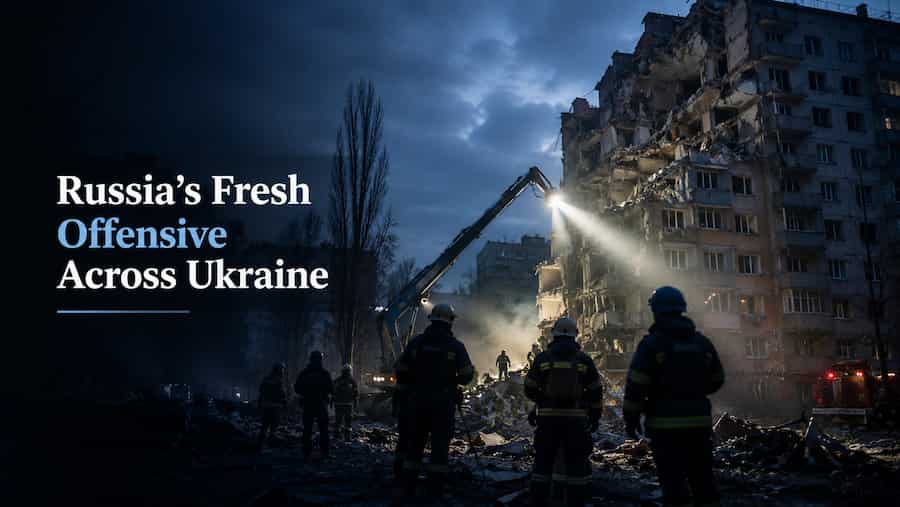
The same trend was seen after the Pulwama and Balakot tensions in 2019. More recently, Russia’s invasion of Ukraine in 2022 and the Israel Hamas conflict in 2023 caused sharp falls, followed by gradual rebounds.
The current situation seems to be following a similar path. After the latest strikes linked to rising tensions, Indian markets opened lower. However, they quickly recovered during the same trading session and ended almost flat. In the days that followed, there was some weakness, but no major collapse.
Experts say the key factor this time is oil. If tensions disrupt shipments through the Strait of Hormuz, oil prices could rise sharply. For India, which imports most of its oil, higher crude prices can increase inflation, weaken the rupee, and put pressure on company profits. That is where the real risk lies.
Some sectors may feel the impact more than others. Airlines and logistics companies could face higher fuel costs. Oil marketing companies may see pressure on margins. On the other hand, oil producing companies could benefit from higher prices. Defence companies may also see more attention during times of geopolitical tension.
Despite the uncertainty, history suggests that markets often move beyond conflict once clarity returns. Investors who react only to fear sometimes miss the recovery that follows. While short term volatility is almost certain, long term investors often benefit from staying patient.
Also Read: OpenAI Signs Deal With US Department of War for AI Access
For now, traders are watching oil prices closely and waiting to see whether tensions escalate further. If oil remains under control and the situation does not worsen significantly, markets may once again follow the familiar pattern of falling fast and rising steadily afterward.
War headlines can be frightening. But history shows that markets are often stronger than the fear surrounding them.